
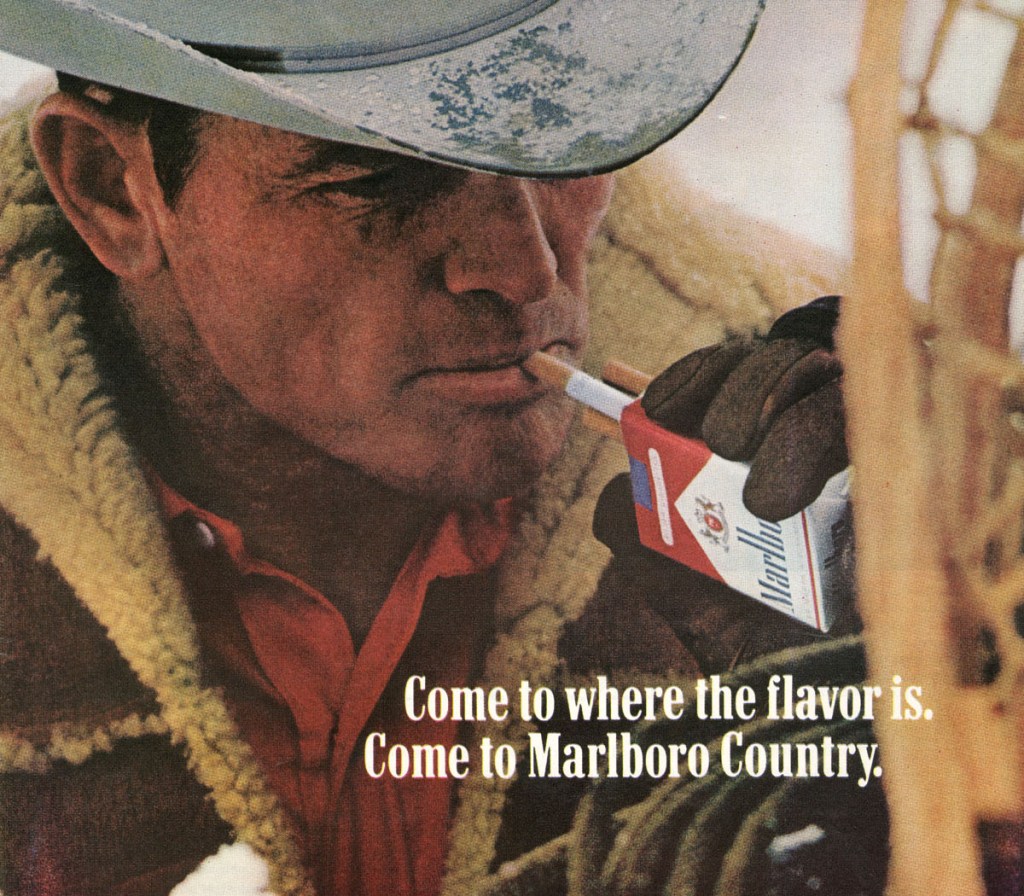
Welcome back to HL&S, where we dive deep into the golden era of advertising to figure out why these iconic campaigns captivated consumers, hook, line, and sinker.
This week, we’re focusing on one of the most legendary advertising characters ever created—The Marlboro Man. More than just a campaign, the Marlboro Man represents a shift in persuasive communication, specifically focusing on Fear and Sex Appeals, which ties into this week’s topic. We’ll explore how this ad expertly used emotional appeal to tap into consumer fears, desires, and identities, changing the landscape of cigarette advertising forever.
The Marlboro Man was launched in 1954 by Philip Morris to promote the idea of Marlboro cigarettes as the choice for rugged, independent men. Before this, Marlboro was marketed primarily to women, but the introduction of the Marlboro Man marked a dramatic pivot. The campaign, created by Leo Burnett, was an immediate success. The image of the cowboy embodied strength, freedom, and masculinity, resonating deeply with the American male audience (Shirk, 2015).


The Appeal of Fear and Sex
At the heart of the Marlboro Man campaign was a powerful emotional appeal, particularly in the form of fear and sex appeals. The fear appeal here wasn’t the obvious type—like fear of death or danger—but rather the fear of not fitting in or appearing weak. Marlboro took advantage of the cultural ideal of rugged individualism and positioned their product as the solution to that fear: “Smoke Marlboro, and you will become the Marlboro Man.” By doing so, the campaign tapped into men’s fear of inadequacy and their desire to embody masculine ideals (Holycross, 2023).
Additionally, while the campaign didn’t use explicit sexual imagery, the Marlboro Man was designed to be a symbol of attractiveness and desirability. The cowboy’s rugged appearance, independence, and quiet confidence were traits that made him appealing—not just as a role model for men, but also as an attractive figure in the eyes of women. This subtle sex appeal helped sell the product by associating Marlboro cigarettes with the idea of being desirable and admired (Taylor, 2019).
Key Takeaway: Persuasion Through Storytelling


This week’s lecture emphasized the importance of storytelling in advertising, and the Marlboro Man campaign is a prime example of persuasive storytelling in action. By crafting a character who embodied the rugged, American ideal, Marlboro created a narrative that consumers could buy into. The Marlboro Man wasn’t just selling cigarettes; he was selling an identity. Men who smoked Marlboro were no longer just consumers; they became part of the story—strong, independent, and free.
The success of the Marlboro Man also shows how effective fear appeals can be when balanced with positive associations. The fear of being perceived as weak was overcome by the promise that smoking Marlboro would make you strong, masculine, and attractive. This is exactly how persuasion works: by addressing an emotional need and offering a product as the solution.
Breaking Down the Creative Brief Elements:
To understand the success of this campaign, we can break it down through the key components of a Creative Brief:
- Brand Positioning: Marlboro’s repositioning was brilliant. They transformed the brand from a mild women’s cigarette into a symbol of masculinity. The brief likely emphasized the need to pivot the brand’s image to appeal to men through emotional appeals.
- Target Audience: The campaign’s target audience was clearly men seeking validation and strength. By portraying the cowboy as the ultimate masculine figure, Marlboro connected with men’s desire to appear powerful and attractive.
- Big Idea: The core message of the campaign was simple but profound: Marlboro isn’t just a cigarette, it’s a way to express your masculinity. This Big Idea anchored every ad and reinforced the connection between the brand and the consumer’s identity.
Why This Campaign Still Matters:
The Marlboro Man campaign is a masterclass in using emotional appeals to build a brand. Even decades later, it’s a perfect example of how fear and sex appeals can be used effectively in advertising. Marlboro’s ability to create a narrative that addressed men’s fears of inadequacy, while offering a solution through smoking, made the brand iconic.
Modern advertisers can learn from this approach by focusing on emotional triggers that resonate with their audience. By understanding their target audience’s fears, desires, and identities, brands can craft persuasive campaigns that tap into these emotions and create a lasting impact.
Final Thoughts:
As we wrap up this week’s reflection, it’s clear that The Marlboro Man wasn’t just a cowboy; he was a symbol of an idealized life. The campaign’s success lay in its ability to persuade through storytelling, fear, and subtle sexual appeal. By making consumers feel that smoking Marlboro would make them more attractive and masculine, the brand became deeply embedded in American culture.
So, what do you think? Did the Marlboro Man reel you in, Hook, Line, & Sinker? Let me know in the comments below!
Join me next time as we continue to explore the lost art of alluring advertising.
References:
Stanford Research into the Impact of Tobacco Advertising. (n.d.). Marlboro men. Stanford University. https://tobacco.stanford.edu/cigarettes/filter-safety-myths/marlboro-men/
Holycross, H. (2023, December 4). Do companies still use sex appeal in marketing? MSU experts weigh in. The State News. https://statenews.com/article/2023/12/do-companies-still-use-sex-appeal-in-marketing-msu-experts-weigh-in
Mardenfeld, S. (2023, October 23). Does sex still sell? What marketers should know. Business News Daily. https://www.businessnewsdaily.com/2649-sex-sells-more.html
Taylor, C. R. (2019, February 1). Are sexy Super Bowl ads a thing of the past? Forbes. https://www.forbes.com/sites/charlesrtaylor/2019/02/01/are-sexy-super-bowl-ads-a-thing-of-the-past/
Shirk, A. (2015, February 17). The real Marlboro Man. The Atlantic. https://www.theatlantic.com/business/archive/2015/02/the-real-marlboro-man/385447/


Leave a Reply