
Welcome back to HL&S, where we dive into the brilliance of golden-era campaigns and explore why they captivated audiences, hook, line, and sinker.
This week, we’re focusing on De Beers’ “A Diamond is Forever” campaign, launched in 1948. Widely regarded as one of the most successful advertising campaigns of all time, “A Diamond is Forever” was instrumental in establishing diamonds as the quintessential symbol of love and commitment. Using a powerful slogan and a strategic mix of offline media, this campaign changed the cultural narrative around diamonds, transforming them into an essential component of engagement and marriage. This campaign is a perfect case study for understanding the power of offline media, including print, radio, and TV, to shape consumer behavior and redefine cultural norms.
The Campaign
In the post-war era, De Beers faced a unique challenge: diamonds were not yet a staple of engagement culture in the United States, and the market was limited. To address this, De Beers partnered with advertising agency N.W. Ayer & Son to create a campaign that would associate diamonds with love, romance, and longevity. The result was “A Diamond is Forever,” a slogan that brilliantly conveyed the idea that diamonds—and the relationships they represented—were eternal.
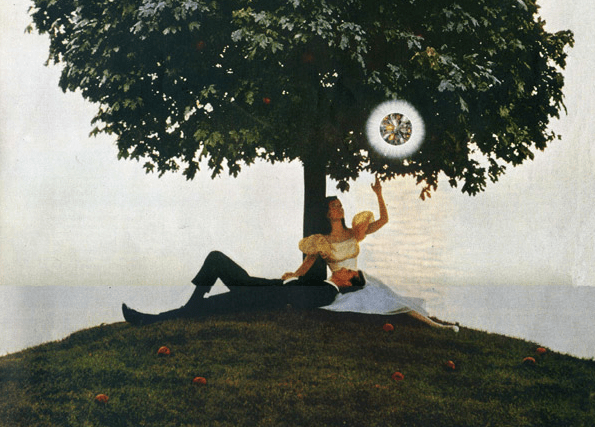
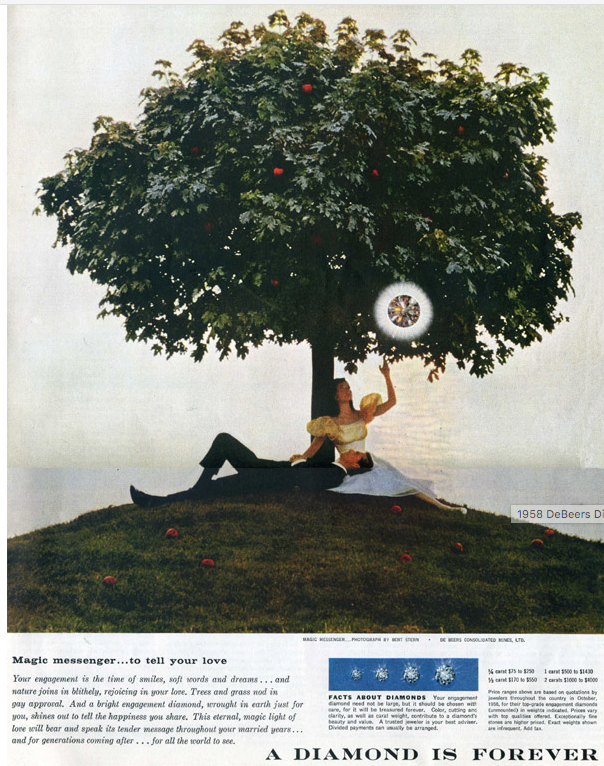
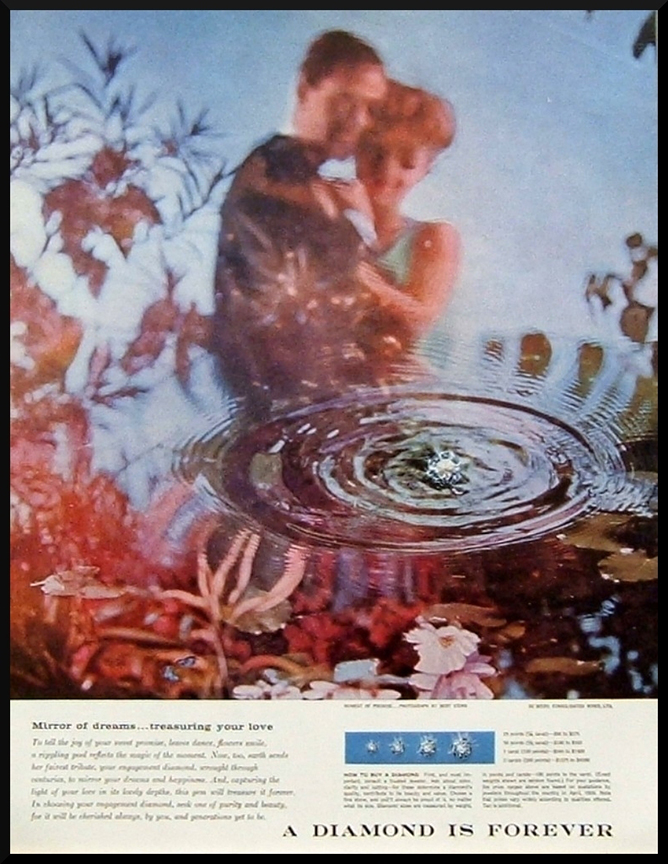
This campaign didn’t just sell jewelry; it sold a new social norm. De Beers’ ads featured romantic visuals of couples, often set in idyllic landscapes, with the slogan “A Diamond is Forever” displayed prominently. The campaign also subtly suggested that a diamond’s value was linked to the love it symbolized, creating a lasting association between diamonds and commitment (De Beers Group, 2015).
Offline Media Formats: Print, Radio, and TV
The campaign utilized a mix of offline media formats to maximize its reach and reinforce its message across various audience segments.
- Print Media:
De Beers’ print ads appeared in popular magazines and newspapers, targeting readers interested in fashion, lifestyle, and romance. These ads featured images of elegant diamond rings paired with romantic scenes, reinforcing the connection between diamonds and love. Print media allowed De Beers to visually showcase the beauty and sophistication of diamonds, creating a sense of desire and aspiration (Time for Designs, 2023). - Radio:
To further solidify its message, De Beers leveraged radio, one of the most influential media channels of the time. Radio spots featured voiceovers that recited the slogan, “A Diamond is Forever,” often accompanied by soothing, romantic background music. These ads helped reach audiences in their homes and cars, embedding the slogan into everyday life. Radio’s repetitive nature worked well for De Beers, ensuring that listeners would remember the phrase even when they couldn’t see the product (American Association of Advertising Agencies, n.d.). - Television:
In the 1960s, De Beers expanded the campaign to television, recognizing its growing influence. TV commercials featured scenes of couples exchanging diamond rings, often in black-and-white visuals to evoke timelessness and elegance. These ads effectively brought the romance of diamonds into the homes of millions, adding an emotional dimension that print and radio couldn’t fully capture. By the time television became a household staple, “A Diamond is Forever” had firmly established its place in the cultural landscape (The Concept Agency, 2023).
Key Takeaway: The Power of a Consistent Message
This week’s lesson emphasized the importance of message consistency in offline media. De Beers’ campaign is a prime example of how a unified message, delivered across multiple offline channels, can shape public perception and create lasting brand loyalty. By maintaining the same core message—“A Diamond is Forever”—across print, radio, and TV, De Beers ensured that the slogan became synonymous with diamonds and love.
The success of this campaign illustrates the potential of offline media to create emotional resonance and shift cultural norms. The slogan was not only memorable but also psychologically powerful, associating diamonds with the idea of permanence in relationships. Today, brands can learn from De Beers’ approach by developing consistent messaging that reinforces core brand values, regardless of the media format (Time for Designs, 2023).


Critical Reflection: Shaping Social Norms Through Advertising
Reflecting on this campaign, it’s fascinating to consider how advertising can influence societal norms. De Beers’ campaign didn’t just sell diamonds—it created a cultural expectation around engagement and marriage. While the campaign was undeniably effective, it also raises questions about the ethics of creating such norms through advertising. De Beers positioned diamonds as an essential part of romance, shaping consumer behavior in a way that arguably added financial pressure to romantic relationships.
From a critical standpoint, this campaign exemplifies the power of advertising to dictate cultural practices, a phenomenon that remains relevant today. Brands must consider the impact of their messages, especially when promoting products as status symbols or “must-haves” in life’s major milestones (Luxury Society, 2023).
Final Thoughts
In conclusion, De Beers’ “A Diamond is Forever” campaign is a masterclass in the use of offline media to craft a compelling narrative that redefines consumer expectations. By leveraging a consistent, emotionally resonant message across print, radio, and TV, De Beers transformed diamonds from luxury items into symbols of everlasting love. The campaign reminds us of the power of traditional media to not only sell products but to shape culture itself.
What do you think? Did De Beers’ portrayal of diamonds reel you in, Hook, Line, & Sinker? Let me know your thoughts in the comments below!
Join me next time as we explore more legendary campaigns and the impact of traditional media on advertising history.
References
American Association of Advertising Agencies. (n.d.). “A Diamond is Forever”: The unforgettable De Beers tagline that’s still shining. https://www.aaaa.org/timeline-event/diamond-forever-unforgettable-de-beers-tagline-thats-still-shining/
De Beers Group. (2015, August 5). Words that changed our world forever. https://www.debeersgroup.com/views/2015/words-that-changed-our-world-forever
Luxury Society. (2023). How De Beers shaped the diamond engagement ring trend through advertising. Luxury Society. https://luxurysociety.com/en/what-weve-read-week-22/
The Concept Agency. (2023, August 14). A Diamond is Forever: The campaign that changed everything. https://theconceptagency.co/blog/a-diamond-is-forever-the-campaign-that-changed-everything
Time for Designs. (2023, September 30). How De Beers “A Diamond is Forever” campaign changed marketing forever. https://www.timefordesigns.com/blog/2023/09/30/how-de-beers-a-diamond-is-forever-campaign-changed-marketing-forever
Mascola. (2011). De Beers “A Diamond is Forever” print ad, 1948 [Image]. Mascola Group. https://mascola.com/wp-content/uploads/2011/10/Screen-Shot-2016-09-16-at-11.18.05-AM.png
American Association of Advertising Agencies. (2017). De Beers “A Diamond is Forever” 1948 ad [Image]. American Association of Advertising Agencies. https://www.aaaa.org/wp-content/uploads/2017/03/1948_ADiamondIsForever_668.jpg
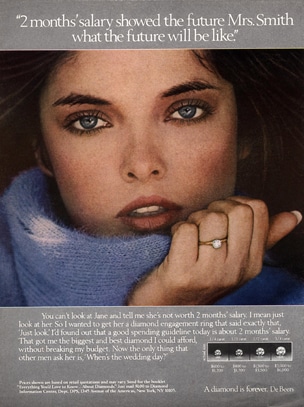
Wizard of Ads. (n.d.). Two months’ salary campaign for De Beers [Image]. Wizard of Ads. https://wizardofads.org/wp-content/uploads/2-months-salary.jpg
RetroCommercial.com. (2011, March 17). De Beers “A Diamond is Forever” commercial (1997) [Video]. YouTube. https://youtu.be/8pU6WQXkiOU?si=OG2g64tf23J445xQ
 HL&S
HL&S 
Leave a comment