
Introduction:
Welcome to Hook, Line, & Sinker (HL&S), a space for me, Khizar, to discuss all things advertising. We here at HL&S have a special infatuation with analyzing the most famous ads from the golden age of advertising (60s – 80s). As a marketing student, I will be attempting to help explain the allure of this lost art though the lessons I learn in class, week to week.
Join me as we dissect the most icon campaigns from the mid-20th century and try to figure out, why consumers ate them up – Hook, Line, & Sinker.
Key Takeaway from Week 1:
This week’s lesson was focused on Consumers & Target Markets. We discussed how to better understand consumer behaviour as well as how to effectively craft messaging that will resonate with your target audience. Throughout the customer’s journey, we have opportunities to engage with our consumers and for our consumers to engage with our brand.
Analysis of Historical Ad:


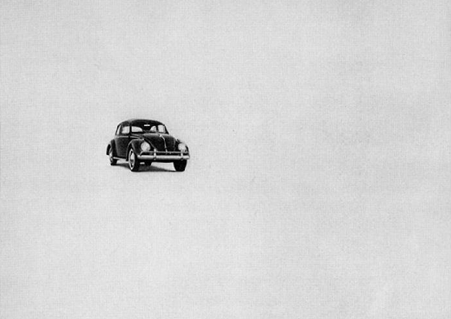
Ad: Volkswagen’s “Think Small” (1959)
Let’s start at the start, some credit VW’s “Think Small” campaign for starting the golden era itself, that alone should give you some perspective regarding how influential this campaign was. This advertisement also fits with this week’s topic as it highlights so beautifully the shift in consumer’s behaviour (shifting values from symbol cars to practical/affordable vehicles) (Medium, 2015). This campaign in very few words was able to challenge the idealized “American dream” of owning the big, flashy cars of the time (think of the Chevrolet Bel Air) by showcasing the one thing that the Beetle did best; practicality.
Connection to Course:
- Self-concept: The campaign tapped into a shift in consumer values, from status symbol cars to practical and affordable vehicles, aligning with the idea of self-concept; how we see ourselves versus how others see us. The beauty of this ad isn’t in what’s said, but what’s left unsaid. This advertisement came out fifteen years after World War II, the United States was one of two remaining world powers (Vox, 2015), and along with that came a booming economy. Vehicles advertising at the time focused on the opulence and luxurious options that were exclusive to Brand X or Car Y. VW’s “Think Small” challenged the status quo in a way that resonated with the shifting time, these ad’s spoke to the growing desire for authenticity which we still see as a prevalent trend till this day, a quote from 4A’s sums it up best:
“With their legendary “Think Small” campaign, DDB did the exact opposite of what every other car ad was doing: They were brutally, boldly and cleverly honest. The truth was that the Volkswagen Beetle was a small, slow and ugly foreign car. By admitting that, and explaining why those were good things, DDB turned the VW Bug into an iconic piece of American pride.” (4A’s, n.d.)
- Psychographics Segmentation: This advertisement to me really target’s the psychographic segmentation of VW’s target market. “Think Small” & “Lemon” went against the grain in terms of what consumers were traditionally thought to be valued in a vehicle. Cars were getting bigger and flashier, this ad challenges the reader to reflect on his or her values (4A’s, n.d.), were the flashy shapes, sharp lines, white rimmed tires, and long bodies, that integral to one’s identity? It made the obsession with muscle cars seem a little vain, all while highlighting the authenticity of the Beetle.
Reflection on Modern Application:
They don’t call this campaign one of the most influential for nothing. In 2024, there are no shortage of brands, such as Tesla and Patagonia that have followed suit in recognizing that the consumers of today are motivated by self-concept more than ever, we see Tesla and Patagonia use sustainability and environmental consciousness as their own “think small” campaigns. Just like how VW used authenticity to highlight the Beetle’s features, Tesla uses Environmental consciousness to highlight their vehicle’s features (Tesla, 2023), or Patagonia uses Sustainability to highlight their appeal’s features (Patagonia, 2024). At the end of the day all three leverage with the evolving values of their audience
Expanding Further – What Surprised Me:
What gets me is how relevance truly is a timeless marketing principle, understanding the environment, context, and climate that you’re marketing in can make or break a campaign. What you’ll start to notice in the upcoming week’s is that what separates a good ad and a great ad is relevance, the tweaks you make to show your audience you understand.
Blog Conclusion:
If you go on my LinkedIn, my banner has never changed, it’s been a section of the “Lemon” advertisement from this campaign. To be honest this campaign was one of the reasons I fell in love with this form of art, it takes real guts to show your hand. As advertisers, at our best we are artists and at our worst we are propagandists, when I look at these ads I’m reminded that it’s possible to sell without shilling.
That will conclude my deep dive into VW’s “Think Small” campaign. Feel free to share your thoughts, opinions, and comments below!
Join me next time as we continue to explore the lost art of alluring advertising.
 HL&S
HL&S 
Leave a comment